
Why a Relaxed Triathlon Alternative Works
There is a point where the standard race script stops feeling inspiring. Early pool sessions, strict transition drills, endless kit checks, and all the pressure that can come with a traditional swim-bike-run format can leave plenty of capable, active people thinking the same thing – surely there is another way to do this. That is exactly where a relaxed triathlon alternative starts to make sense.
For a lot of athletes, the issue is not the challenge. It is the feel of the challenge. People still want a proper event, a real test, and the satisfaction of earning the finish. They just want it to feel more like an adventure and less like an exam.
What makes a relaxed triathlon alternative different?
A relaxed triathlon alternative is not about making endurance sport easy. It is about changing the atmosphere, the entry point, and often the disciplines themselves. Instead of forcing everyone into the same narrow version of what multisport should look like, it opens the door to something broader, more social, and more enjoyable.
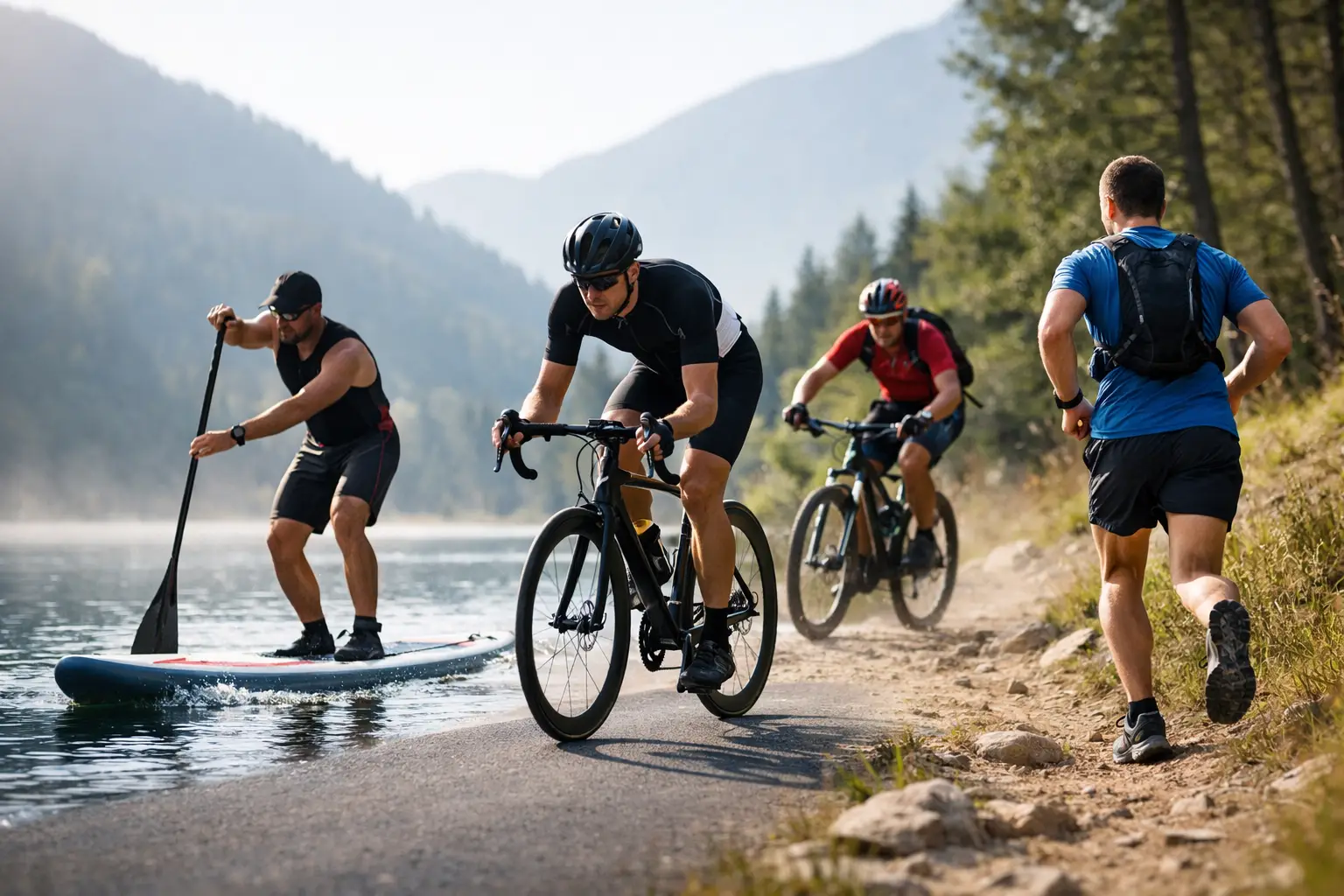
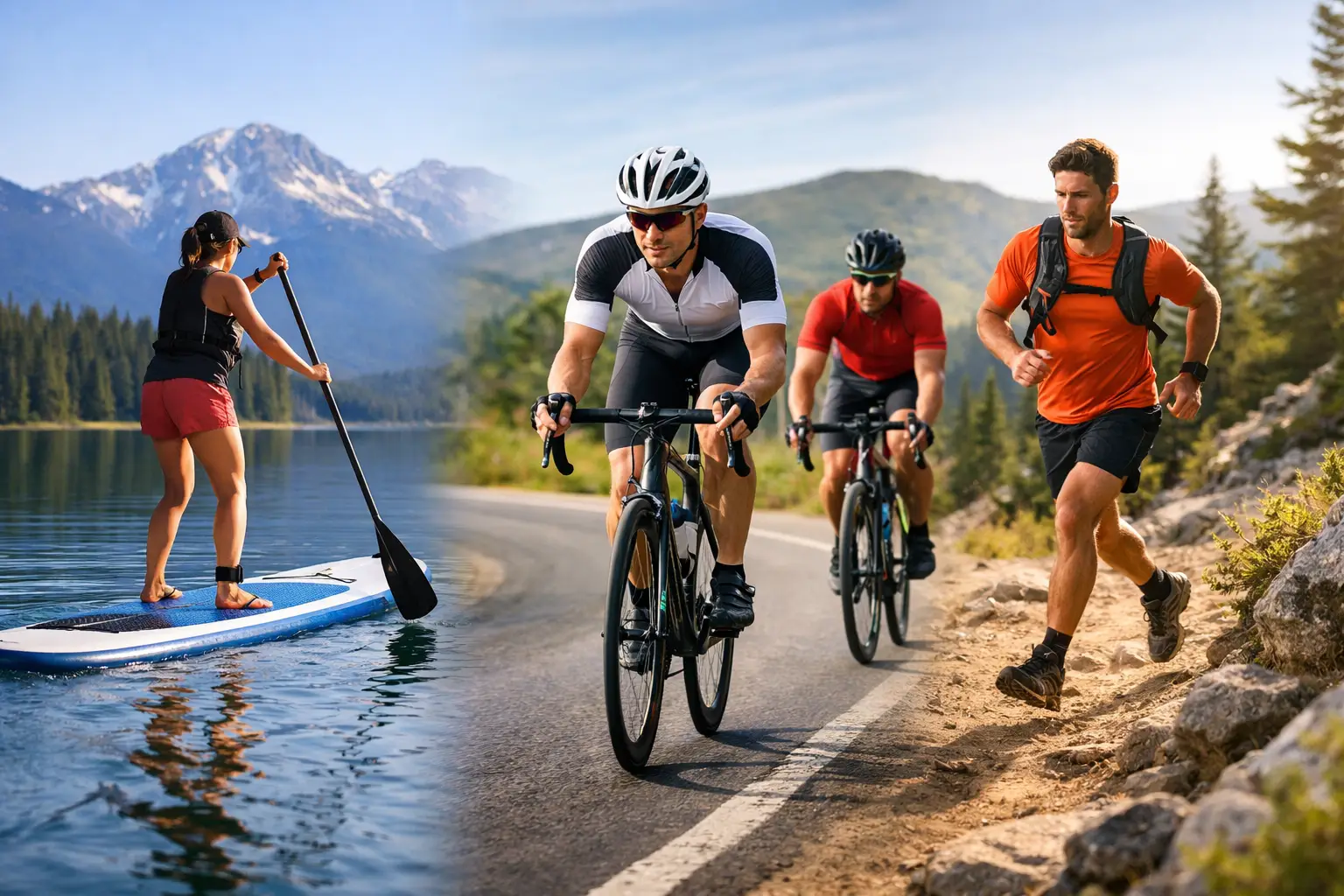
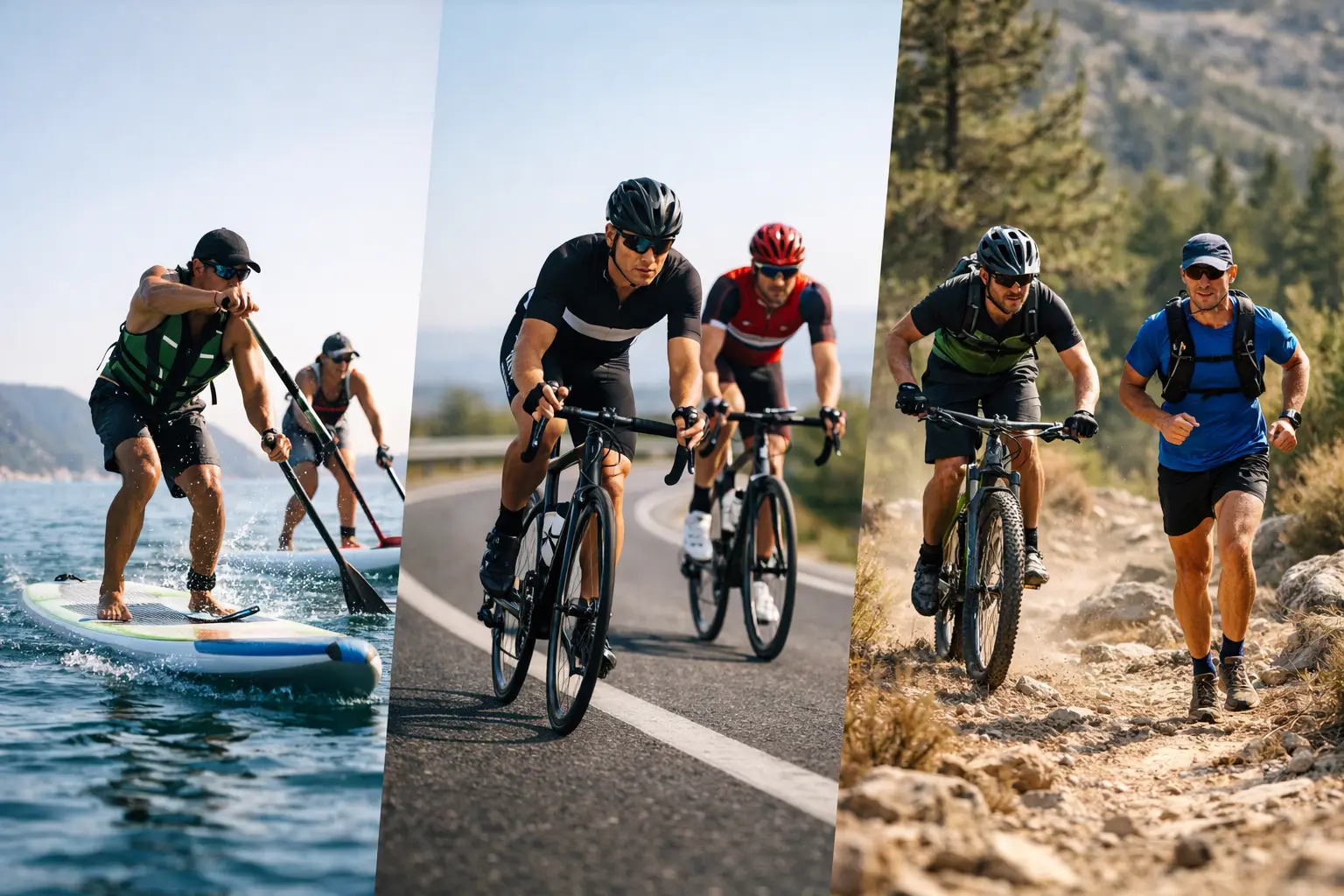
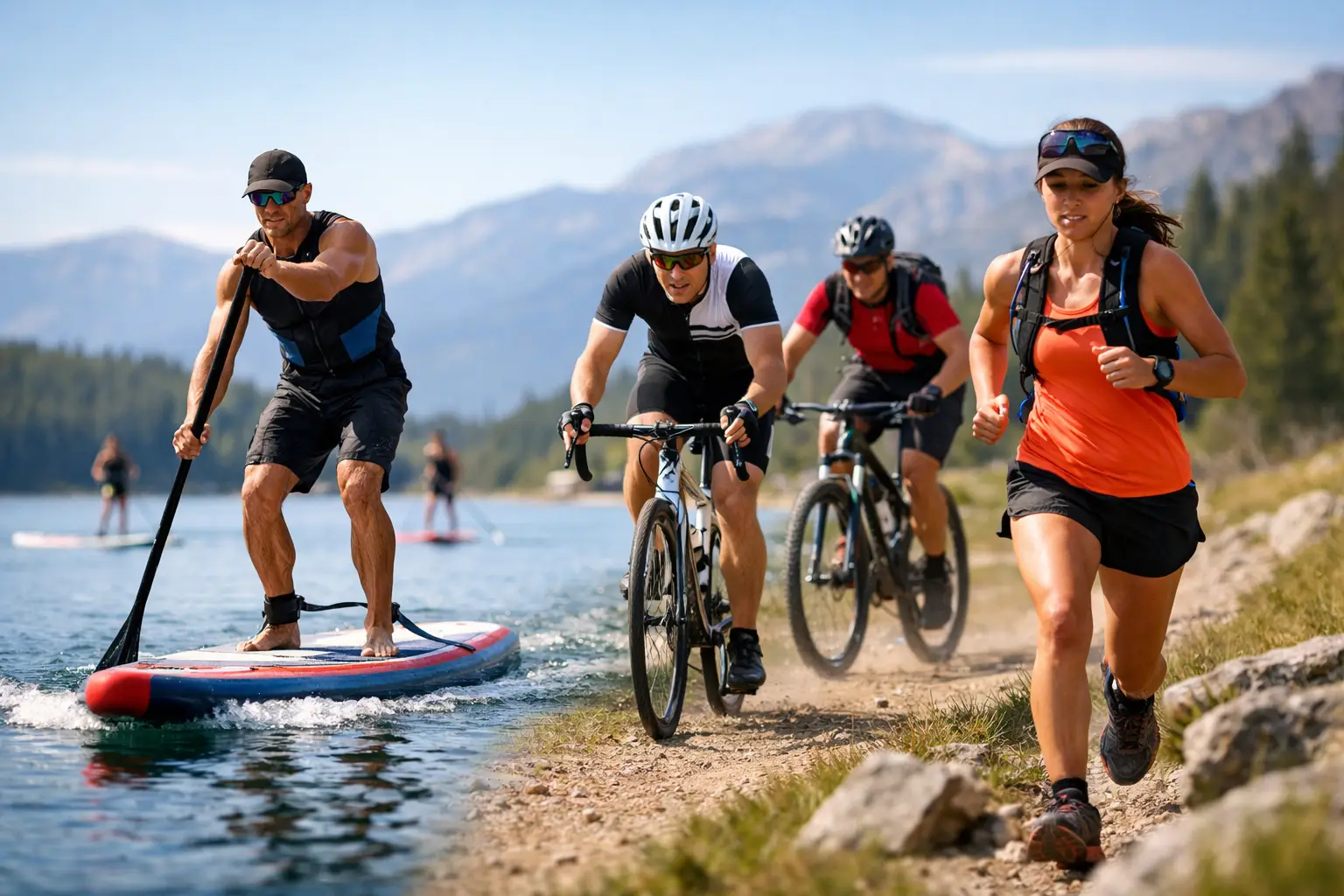
That might mean swapping open-water swimming for stand up paddleboarding. It might mean replacing traffic-heavy road sections with a proper trail run. It usually means a start line where people are excited rather than tense, and an event culture that welcomes first-timers and seasoned racers in equal measure.
The best versions still take organisation seriously. Good signage, clear briefings, support crews, safety cover, timing, transitions, marshals, and event infrastructure all matter. Relaxed does not mean chaotic. It means the pressure is lower while the standards remain high.
Why traditional triathlon is not for everyone
Some people love the structure and intensity of classic triathlon. Fair play. But there are real reasons others look elsewhere, and none of them mean they are less committed or less fit.
Swimming is the obvious barrier. Open-water swim starts can feel intimidating, especially for people who are confident on a bike or on foot but have never fancied the melee of a crowded lake or sea start. Even strong recreational swimmers can dislike the contact, the cold, and the mental load that comes with it.
Then there is the culture around some events. Not all, but enough. Aerobars, split times, expensive gear, strict pacing plans, and the sense that everyone knows the rules except you can make newcomers feel like outsiders before they have even racked their bike.
Cost plays a part too. Traditional triathlon can become gear-heavy very quickly. If you are trying to get involved without buying into a full racing identity, that can be off-putting.
A relaxed alternative appeals because it keeps the good bit – the challenge of completing multiple disciplines in one event – while dropping some of the baggage.
The appeal of paddle, bike and run
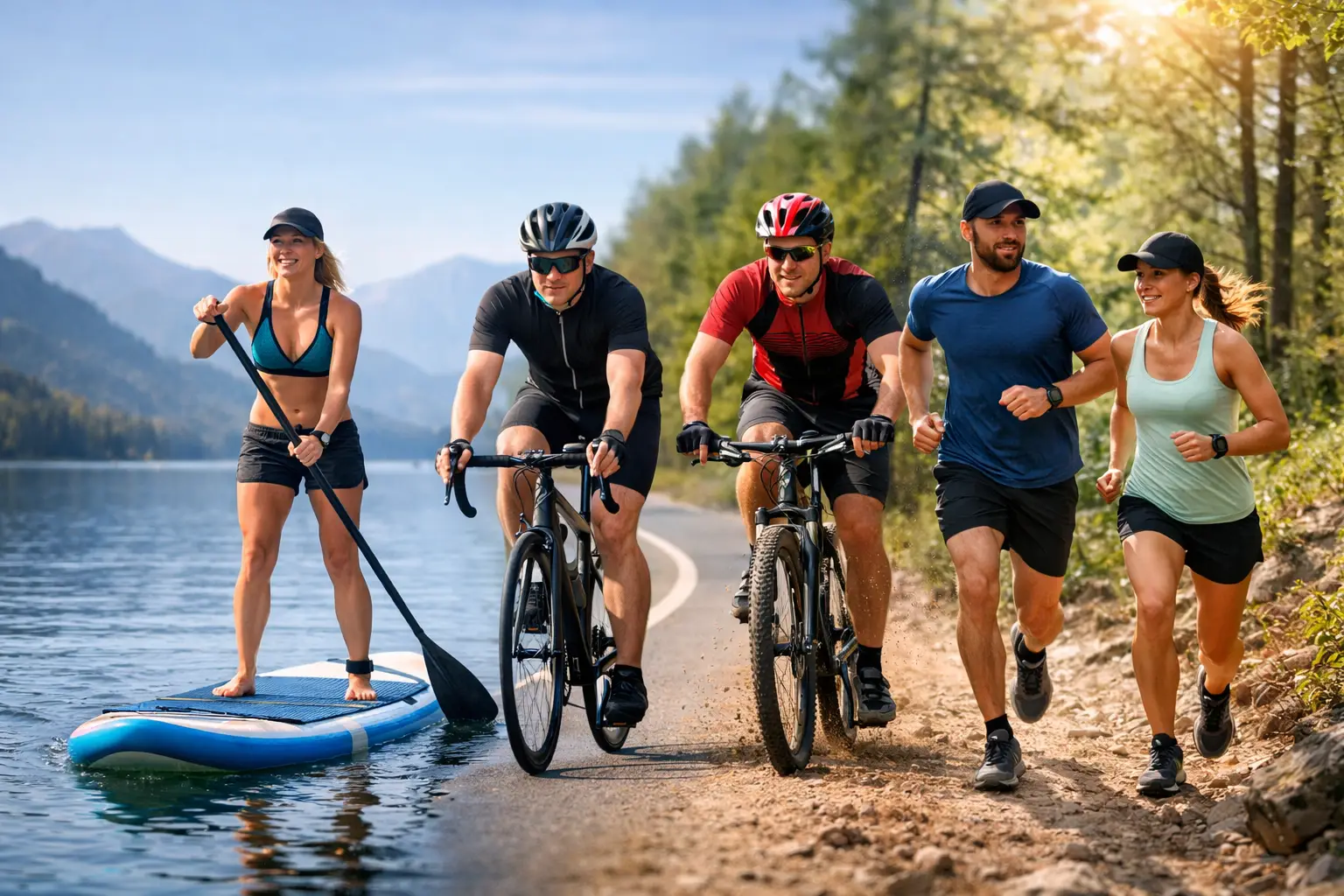
This is where the adventure side comes alive. Stand up paddleboarding, cycling, and trail running bring a different energy to race day. You still need fitness, pacing, grit, and decent transitions. But the experience feels more open, less clinical, and more connected to the outdoors.
Paddleboarding changes the tone straight away. It is technical enough to be engaging, physical enough to get the heart rate moving, and accessible enough that plenty of newcomers can learn it without years of specialist training. It also removes one of the biggest sticking points in multisport – the anxiety around open-water swimming.
Cycling remains the bridge discipline, but in this kind of event it often feels less boxed in by convention. You are still racing your own effort, but the atmosphere tends to be more grounded and less obsessed with marginal gains.
Then the trail run finishes things properly. Not under fluorescent lights, not around endless urban corners, but out in real terrain where the route feels like part of the reward. Trail running asks different questions from road racing. It is less about robotic rhythm and more about reading the ground, adapting, and enjoying the landscape even while your legs are complaining.
A relaxed triathlon alternative can still be a serious challenge
This matters, because some people hear relaxed and assume watered down. That misses the point.
Adventure-led multisport can be brutally honest. Paddleboarding exposes balance, technique, and composure. Cycling still demands strength and smart pacing. Trail running can punish anyone who goes out too hard or underestimates the terrain. You are not dodging effort. You are simply putting that effort into a format that feels fresher and more rewarding.
In many cases, the challenge is actually more rounded. Instead of relying on a standard race formula, you need adaptability. Weather matters. Surface matters. Equipment familiarity matters. Energy management matters. That creates a race experience that feels alive rather than pre-programmed.
The trade-off is that if you want pure split-time optimisation and textbook comparisons against conventional triathlon benchmarks, a more unconventional format may feel less tidy. But if your goal is a memorable race that tests body and head in equal measure, that is often exactly the attraction.
Who this format suits best
A relaxed triathlon alternative works especially well for active adults who already enjoy the outdoors and want their events to reflect that. Cyclists who never got on with swim training, runners who want a bigger challenge, paddleboarders looking for a new goal, and gym-fit professionals who want something more exciting than another city 10K all tend to find their people here.
It also suits those returning to events after time away. Maybe family life took over. Maybe work got heavy. Maybe the old race scene stopped being fun. An event with a strong community feel and a less formal edge can be the thing that gets motivation moving again.
For corporate groups, it makes even more sense. A team event built around adventure disciplines feels more inclusive than a standard race environment, while still giving everyone a shared challenge to train for and talk about afterwards.
That said, it is not one-size-fits-all. If you dislike uneven terrain, have no interest in paddle skills, or want a hyper-competitive field from front to back, a relaxed alternative may not be your ideal fit. The point is choice, not replacement.
Why atmosphere matters more than people admit
The strongest events are remembered for more than finish times. People remember how the start line felt, whether the briefing was clear, whether the marshals were encouraging, whether the transition area made sense, and whether the whole day felt like something they wanted to do again.
That is where this format has a real edge. When the culture is welcoming, people arrive with less fear and more focus. They race better because they are not wasting energy trying to prove they belong. They bring friends because the event feels accessible. They stay for the wider experience because it feels like a day out as well as a test.
That wider experience matters. Good events do not stop at the stopwatch. Camping, spectating, support crews, event villages, coffee, decent logistics, and a crowd that is up for the day all help turn participation into something bigger. It is one reason adventure multisport events keep building loyalty.
A brand like SUPBIKERUN has tapped into that balance well – unconventional enough to feel exciting, organised enough to give people confidence, and welcoming enough that newcomers do not feel like they have wandered into the wrong field.
Choosing the right relaxed triathlon alternative
If you are considering one, look beyond the headline. Check whether the event is genuinely beginner-friendly or just saying it is. Look at the route style, support structure, safety planning, and how clearly the organisers explain kit, timings, and transitions.
It is also worth being honest about what you want from race day. Some people want a social challenge with strong event energy. Others want to push hard in a less conventional format. Both are valid, but the right event for each may look slightly different.
The sweet spot is an event that treats participants like real athletes without making the whole thing feel closed off or overly serious. That mix is harder to create than it sounds, which is why the best ones stand out.
The future of multisport looks wider, not narrower
There is growing appetite for events that feel less rigid and more human. People still want achievement, but they also want atmosphere, scenery, community, and a format that fits the way they actually like to train and spend their weekends.
A relaxed triathlon alternative answers that shift brilliantly. It proves you do not need to copy the old model to create a proper challenge. You can build something adventurous, credible, and seriously good fun, then back it up with the kind of organisation that gets people signing up again.
If conventional triathlon has never quite felt like your scene, that does not mean multisport is not for you. It may simply mean your version of the start line looks a bit wilder, a bit friendlier, and a lot more enjoyable.